Commercial Waste in Neasden
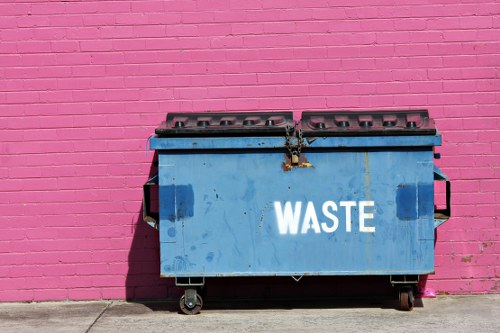
Commercial waste in Neasden needs a practical, well-organised service that keeps business premises clear without adding unnecessary disruption. We provide commercial waste removal for offices, shops, workshops, landlords, managed premises and other workplaces that need regular or one-off collections. The focus is on removing mixed non-hazardous business waste, bulky discarded items and general clear-outs in a way that is straightforward to arrange and easy to understand.
Our service is built around sensible handling rather than guesswork. That means separating waste types where needed, loading items safely, and dealing with the material in line with the waste removal service approach set out on this website. If you need a clearer view of costs before you go ahead, the pricing and quotes page explains the information that helps shape a quotation. For businesses that want to move quickly from enquiry to booking, the online booking page is also available as a simple next step.
Tell us what needs removing, how much there is and where it is located, and we can prepare a quotation that reflects the actual work involved. If your premises have access restrictions, shared entrances or items that need careful lifting, include that in your enquiry so the scope is clear from the start.
What commercial waste removal can cover
Commercial waste collections are often needed when waste builds up between regular bin services, after a refit, at the end of a tenancy or when stock and fixtures are being replaced. The work can include office chairs, shelving, archive bags, packaging, broken display items, counters, small appliances and mixed non-hazardous refuse. By handling the removal as a single organised task, a business can clear space without having to coordinate multiple disposal methods for every item.
Different workplaces create different waste streams, so the service needs to stay flexible. An office may mainly need paper, furniture and old equipment collected, while a retail unit might need display fittings, cardboard and redundant stock removed. A site with back-of-house storage may need a more varied load taken away. Where useful, items can be grouped before collection, but the main aim is to deal with what is already there rather than asking you to make the premises look tidy first. Keep the request factual, and the quotation can reflect the actual scope more accurately.
The main commercial benefit is usually time saved. Instead of leaving staff to piece together several smaller disposal tasks, one organised removal handles the loading and transport in a single visit. This is especially useful where waste has been kept in storage areas, corridors or unused rooms and now needs to be moved without interrupting the day-to-day operation of the business.
Business waste suited to offices and shared premises

Office waste removal often involves more than simply taking away a few bags. Desks, pedestals, filing cabinets, monitors, printers, chairs and partition pieces can all need different handling, particularly where they must be moved through narrow routes or down stairs. We can help clear out furniture and general office clutter so that a room can be handed back, reorganised or prepared for new equipment. If confidential paper records are present, the relevant service page for confidential shredding shows another useful option to consider alongside physical clear-out work.
Shared premises also benefit from a careful approach because access often matters as much as the waste itself. Loading routes may pass reception areas, service corridors or common entrances, and it is often better to plan the removal around the building rather than simply treating everything as a pile to be shifted. The service can be tailored to the items on site, from light office contents to heavier furnishings that need two-person handling and more deliberate movement.
For offices that are changing layout or closing a section of the building, it is helpful to separate what should be removed from what is staying behind. A brief list of items, room-by-room notes or a simple photo set can make the quotation stage easier, particularly where there are several floors or mixed contents. Clear information helps the work run smoothly, but the service itself is still centred on removal rather than preparation by your staff.
Bulky furniture and equipment handled with care
Many commercial collections involve pieces that are awkward to move rather than numerous small bags. Desks, cabinets, boardroom tables, soft seating, reception furniture, filing units and display fixtures all take up space and require careful lifting. Where a business is replacing older items, the removal service can take the redundant furniture away in one organised load instead of leaving it stacked in corridors or storage rooms while replacements are installed.
Some items also need thought before they are moved because they are heavy, bulky or have awkward shapes. Furniture with glass, sharp edges or loose fittings may need special attention so that it can be carried safely and loaded without damage. If your waste includes mixed furniture and packaging from a refit, that can usually be covered within the same collection, provided the material is suitable for the service. The emphasis is on practical removal, not on turning the job into a complicated project.
Where a site includes both unwanted furniture and smaller refuse, a single collection often makes more sense than splitting the work. This is particularly relevant for businesses that have changed use, reduced floor space or cleared out old storage. It can also be useful when a landlord or managing agent needs a room emptied before inspection, repair or re-letting. One clear collection plan is usually easier than several separate visits.
Preparing the request without overcomplicating it
The most useful quotations are usually based on a plain description of what needs removing. You do not need to write a long explanation; a short note covering the type of waste, the approximate quantity and any access limits is often enough to start. If the items are spread across several rooms, mention that too. A good request is specific, but it stays focused on facts rather than assumptions.
If you are arranging removal from a business premises, it can also help to say whether any items are on upper floors, whether parking is straightforward and whether the site is occupied during the collection window. These details affect how the work is planned, especially where heavier items or larger volumes are involved. When the site has unusual restrictions, a little extra context reduces back-and-forth and makes the quotation more reliable.
Once the scope is clear, the next step is usually to decide whether you want a general collection or a more targeted removal of particular items. That decision often depends on how much remains to be cleared and whether the business wants the space ready for immediate use afterwards. For a simple next move, use the booking page if you already know what needs taking away.
Office clear-outs, storage areas and redundant stock

Businesses rarely need the same type of clearance every time. One job may involve a tidy office suite, another a crowded store room, and another a section of stock that has become outdated or unsaleable. Our commercial waste service can deal with these varied situations by removing the items that are no longer needed and leaving the space ready for its next use. That might include folders, broken chairs, cardboard, packaging, old promotional materials or mixed contents from back rooms.
Storage areas often attract waste because they are easy places to put things aside temporarily. Over time, unused equipment, surplus packaging and obsolete fittings can build up until the room is no longer functioning as storage at all. Clearing these areas can restore access and make the premises easier to manage. In some cases, the most valuable part of the service is simply taking away items that have become difficult to sort one by one.
Where stock or fittings are being replaced, it is sensible to separate items that are definitely going and items that may still be reused elsewhere. This avoids accidental removal of goods that still have a purpose. If you are unsure how to describe the contents, a few photographs and a short note about the room usually provide enough context. Accuracy matters more than length, especially when the waste includes mixed business contents.
Sorting, loading and responsible handling
Commercial collections work best when the service is clear about how items will be handled once they are collected. Waste may include recyclable materials, reusable furniture components and general refuse, all of which need to be managed appropriately. The practical aim is to remove what is no longer required while keeping the process organised, from loading on site through to off-site handling. That applies equally to a small office declutter and to a larger business clear-out.
Businesses often want to know whether they should separate materials in advance. In some cases that helps, but it is not always necessary to divide every item before the team arrives. A sensible approach is to identify anything unusual, bulky or potentially delicate, then let the collection team manage the rest. This is especially useful when the waste comes from a working premises where staff do not have time to sort through every box and bag in detail.
For premises with multiple waste streams, the most important choice is usually between a broad general clearance and a more specific item-by-item removal. A broad approach works well where mixed contents have built up, while a narrower approach suits businesses that only need certain pieces taken away. Either way, the service should remain practical, clear and based on the real contents of the site.
About Neasden
Neasden is an area in north-west London, within the London Borough of Brent, and it is often identified by its long association with major road routes, rail infrastructure and a distinctly layered urban landscape. The name is best known through the junctions and transport corridors nearby, but the area also has its own local character shaped by residential streets, commercial frontages and civic landmarks. One of the most recognisable features is the Neasden Temple, the Shri Swaminarayan Mandir in Neasden, which has become an important place of worship and a major architectural landmark in London since it opened in the 1990s. The surrounding district combines older suburban development with later twentieth-century building, producing a mix of housing, retail and light-industrial uses that reflects the area’s changing role over time. Gladstone Park lies close by and provides extensive open space with views over the city, while the local road network links Neasden to Wembley, Dollis Hill and the wider Brent area. The area’s history includes phases of suburban growth connected with the expansion of rail travel and urban development in the late nineteenth and early twentieth centuries. Today, Neasden remains a practical part of northwest London, with transport links, places of worship, local shopping and everyday neighbourhood activity forming the basis of its identity.
Practical collections for sites with awkward access

Access can be one of the most important factors in commercial waste removal, especially in premises where stairs, narrow corridors or shared entrances make loading more complicated. A straightforward-looking job can become harder if items must be moved from a basement, upper floor or rear yard. In those situations, a careful plan is more important than a rushed estimate. The aim is to keep movement safe, avoid unnecessary disruption and complete the clearance in a way that suits the building.
Some commercial premises also have restrictions on parking, delivery times or loading locations. That does not prevent removal, but it does affect how the job is arranged. A quotation is easier to prepare when the access details are clear, because the time and handling involved may be different from a ground-floor collection with direct vehicle access. If there are loading bays, security checks or concierge procedures, mention them early so they can be built into the plan.
When access is difficult, businesses sometimes try to move waste around internally before booking the collection. That is not always necessary. It is often enough to explain where the items are and what route they need to take. From there, the collection can be planned around the building rather than forcing the building to fit the collection. If you already know the type and volume of waste, send the details and request a quotation.
Materials, pricing factors and sensible expectations
The cost of commercial waste removal is usually shaped by the volume, weight, type of items, access conditions and amount of labour involved. A load of light packaging is not the same as a room full of desks and cabinets, and a collection from a ground-floor unit is not the same as one that involves stairs, shared corridors or awkward parking. That is why a clear description of the waste gives a better result than a vague estimate.
Businesses sometimes ask whether a quote can be prepared from a general category alone. In many cases, broad categories help, but the best quotations usually come from more detail. For example, office waste, furniture disposal and mixed commercial clear-outs may all require different handling. If there are items that need lifting as part of the service, list them explicitly. If certain contents are not going, say so as well, because that keeps the scope accurate and avoids confusion.
Where the waste includes a mixture of light and bulky material, it is often best to treat the request as one removal rather than several separate tasks. That makes it easier to see the overall scale and to plan the right vehicle and labour for the job. The result should be a quotation that reflects the actual work rather than an approximate guess based on limited information.
Choosing the right commercial clearance service

Commercial waste is not always a single, simple category, so it helps to match the service to the actual contents. A business that mainly needs furniture removed may want a different approach from one that has mixed office waste, and a premises with stored stock may need a broader clearance. The service should be shaped around the site, the items and the way the business uses the space, rather than forcing everything into one fixed pattern.
For some customers, the key decision is whether the work is a one-off or part of a recurring need. Others want a single room cleared so they can reorganise it, while some need an entire floor or back area emptied. The same practical principles apply in each case: identify the waste, note the access, and decide whether there are separate items that should be handled elsewhere. If you also need a different type of removal, the other service pages on this website can help you compare options.
When you are ready to move forward, request a quotation with the details of what needs removing and where it is located. That is the simplest way to get a useful response. Use the contact route or book online if you already have the scope and want to arrange the next step without delay.